Concerns about intimate area brightening — a topic often raised in the clinic
Hello, I'm Dr. Hong Seungho of Lidia Women's Clinic, an OB-GYN near Gangnam Station. Have you ever looked in the mirror and noticed that the skin in that area seemed darker than you expected? It can feel awkward to bring up with anyone, yet it is also hard to simply ignore. So you searched online and found your way here…

Hello, I'm Dr. Hong Seungho, Director of Lidia Women's Clinic — an OB-GYN clinic near Gangnam Station.
Have you ever stood in front of a mirror and noticed that a certain area looked darker than you expected?
It's not quite the kind of thing you feel comfortable asking anyone about, yet it's hard to simply ignore. That's probably what led you to open a search bar.
In my consultation room, I frequently meet patients who tell me they hesitated for a long time before bringing this up.
Concerns about intimate area brightening (Y-zone whitening) are more common than most people realize, and they come from people of all ages and backgrounds — regardless of whether they have given birth.
Today, I'd like to share what I've come to understand through clinical practice about Y-zone brightening, in a straightforward way.
"A conversation from the consultation room, not long ago"
Not long ago, a woman in her mid-thirties sat down carefully and asked first: "Is this something a clinic can actually help with?"
She mentioned she had been thinking about it before her upcoming wedding but had hesitated for months before coming in.
There wasn't any particular problem, she said — it was just that the area seemed to be getting darker over time, and it was affecting her confidence.
I hear similar stories very often.
Some patients notice changes after childbirth. Others work desk jobs and sit for long hours. Some have experienced frequent friction from undergarments.
The reasons vary, but there is one thing in common: "There was nowhere I felt comfortable bringing this up."
"Why does this area become darker?"
Hyperpigmentation in the Y-zone generally develops from the overlap of three main factors.
The first is friction.
Tight underwear, skinny jeans, and prolonged sitting all act as sources of repeated physical stimulation.
When the skin is repeatedly stimulated, it responds by producing more melanin as a protective mechanism.
The second is hormonal changes.
Pregnancy, childbirth, oral contraceptives, and perimenopause can all shift hormone levels, and this area tends to respond particularly sensitively to those changes.
The third is aging and oxidative stress.
As skin cell turnover slows with age, accumulated pigment is less efficiently shed and tends to build up.
Y-zone hyperpigmentation is not caused by poor self-care.
It is a natural change that arises from the overlap of friction, hormonal shifts, and time — so there is no reason to feel that you have done something wrong.
"Will it fade on its own if I leave it?"
This is one of the questions I hear most often.
To give you a straightforward answer: as long as the underlying causes continue, it is unlikely to fade naturally on its own.
If friction persists and new pigment continues to accumulate in the same area, it often becomes darker over time rather than lighter.
That said, there is no need to feel rushed.
The skin in this area is thinner and more sensitive than facial skin, which means a slow, careful approach is necessary.
I also see patients who come in after aggressive at-home treatments have added further irritation to the area.
"What is the approach behind Y-zone brightening?"
There are two core principles.
First, breaking down and helping the body eliminate melanin pigment that has already accumulated.
Second, regulating the melanin production pathway to prevent excessive new pigment from forming.
Both of these need to work together for results to be maintained.
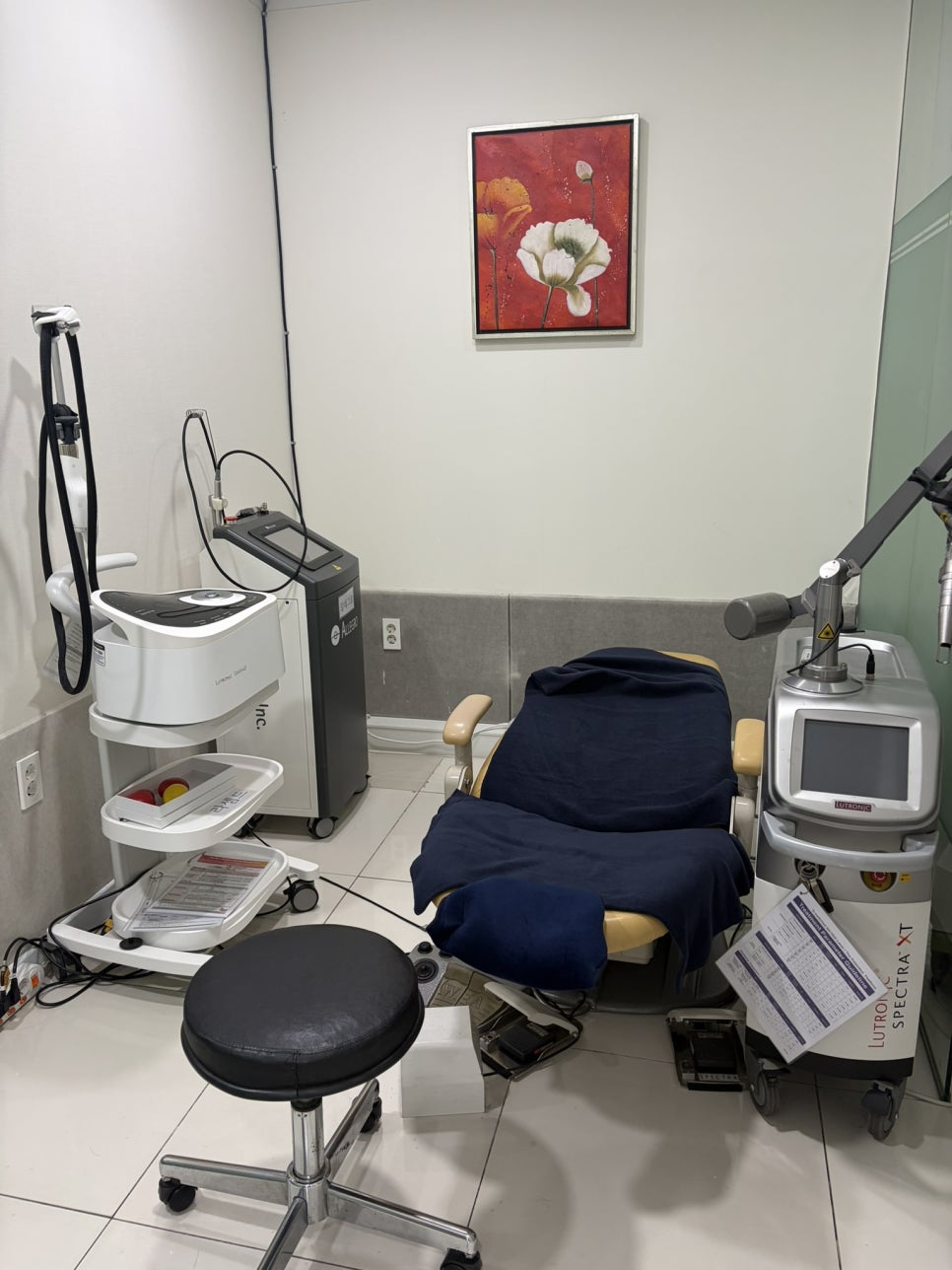
Depending on each patient's skin condition, I develop a plan that may involve laser-based approaches, topical agents, or a combination of procedures as needed.
I do not apply the same intensity used for facial treatments to this area.
The guiding principles here are significantly lower energy levels, shorter intervals, and precise targeting.
"How I approach this in the consultation room"
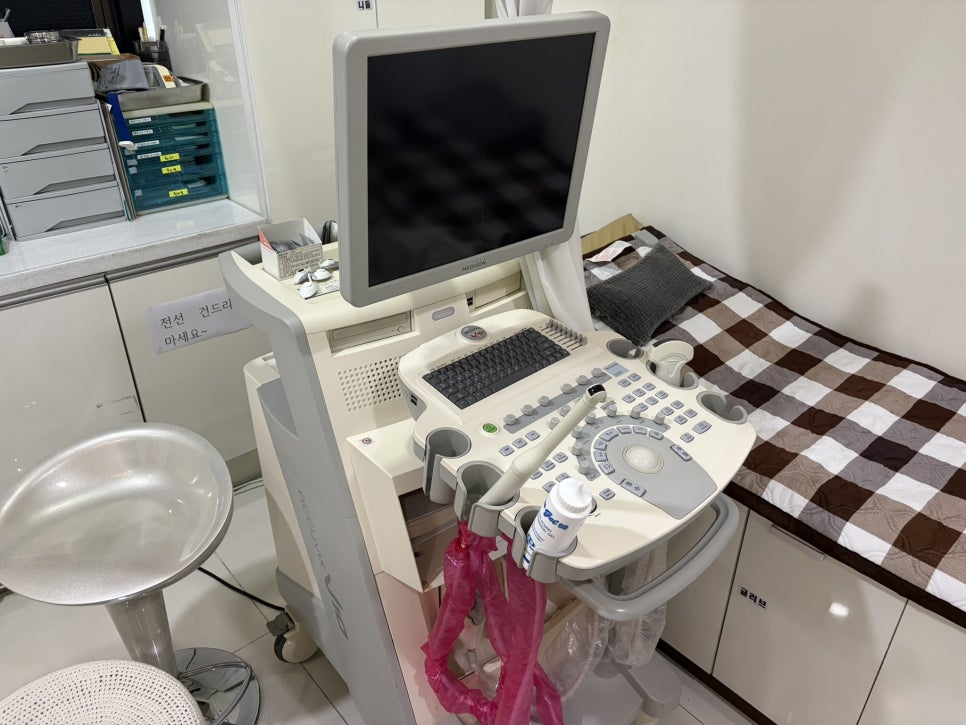
At the first visit, I take a medical history and use both ultrasound and visual examination to assess the depth of pigmentation, skin thickness, and signs of prior irritation.
This is because whether the pigment is confined to the epidermis or has reached the dermis fundamentally changes the appropriate approach.
Step 1: Consultation, detailed assessment, and identification of contributing factors
Step 2: Development of a treatment plan tailored to the patient's skin condition
Step 3: Low-stimulation procedure, with recovery monitoring
Step 4: Home care guidance and periodic follow-up
I do not aim for dramatic changes in a single session.
In this area, rushing the process reliably leads to irritation and rebound pigmentation.
Treatments are typically spaced several weeks apart, with the skin's response assessed at each stage.

"Two questions I'm frequently asked"
Q. Is the procedure painful?
Given the sensitivity of this area, I apply topical anesthesia thoroughly in advance and start with low energy levels, adjusting based on the patient's response.
Most patients say it was more manageable than they expected, though pain tolerance varies from person to person, so I take particular care during the first session.
Q. Will it affect my daily routine?
On the day of the procedure, it is advisable to avoid hot baths, saunas, and vigorous exercise.
Most patients are able to return to their usual routine from the following day.
However, I do advise avoiding tight-fitting clothing for a few days afterward.
"What I pay particular attention to"
In procedures for this area, the most important considerations are ultimately safety and privacy.
From assessment through to the procedure itself, I, as the attending physician, am present from start to finish.
If the person managing your care changes midway, it becomes easy to miss the subtle responses of this sensitive area.
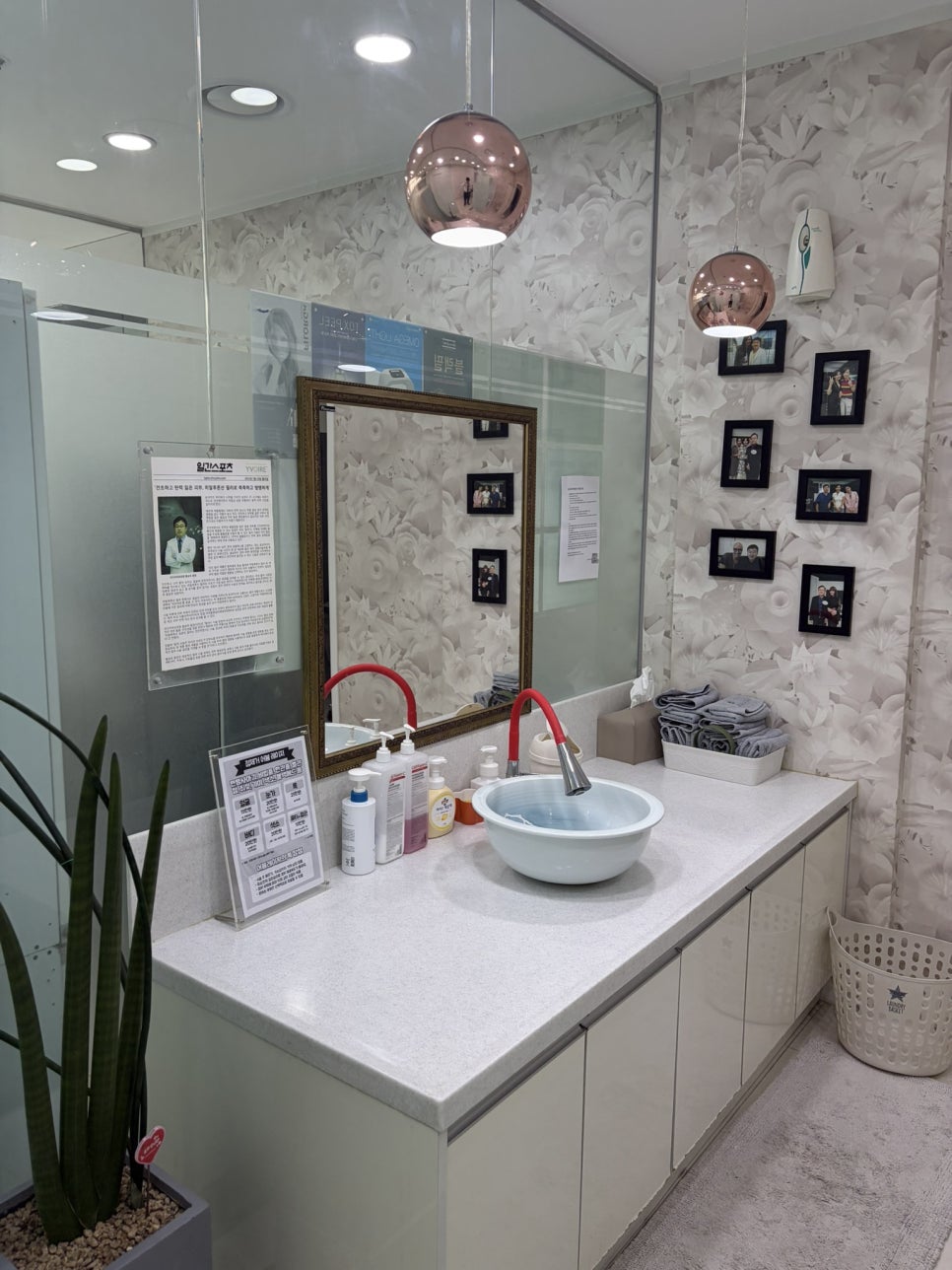
In addition, the consultation room and procedure room are arranged along separate pathways to ensure privacy.
This reflects a genuine wish for patients to feel at ease from the waiting area all the way to the consultation room.
With Y-zone brightening procedures, what shapes the outcome is not technique alone — it is how carefully and deliberately the approach is taken.
I always hold to the principle of going one level lower and one step slower.
"What you can do at home"
Day-to-day habits matter just as much as in-clinic care.
Attending to even a few of these points can make a meaningful difference in how quickly pigmentation progresses.
Choose breathable underwear made from cotton or similarly gentle materials.
Avoid self-applying strong scrubs or brightening creams.
If you sit for long periods, take breaks to move and relieve pressure on the area.
Avoid hot soaks and half-baths for a few days immediately following a procedure.
"When you should come in to see a doctor"
If you are experiencing not just darkening, but also itching, breakdown of the skin surface, sudden changes in color, or pain, the issue may not be pigmentation alone.
In such cases, identifying any underlying condition should come before considering brightening treatments.
Also, if you have tried several over-the-counter products and the area has become darker or feels persistently irritated, I would encourage you to seek a clinical assessment at that point.
When repeated improper irritation accumulates, recovery takes considerably longer.
I have some sense of how long you may have hesitated before bringing this up.
When you come to the clinic, I will assess your condition as it is, without judgment, and we will work together to find the approach that puts the least strain on your body at this stage.
The answer may not necessarily be a procedure.
That can only be determined after an examination.
If you have any questions, please feel free to reach out.
At Lidia Women's Clinic, we will approach your concerns with care and discretion.
Lidia Women's Clinic Lidia Women's Clinic, 9F, 432 Gangnam-daero, Gangnam-gu, Seoul Check-in on this blog Other posts from this location










#YZoneWhitening #LidiaClinic #GangnamStationOBGYN #GangnamOBGYN #WomensClinic #Hyperpigmentation #WomensHealth