Vaginal Dryness Can Occur Even Without Menopause
Hello, I'm Dr. Hong Seungho, director of Lydia Women's Clinic near Gangnam Station. Vaginal dryness can occur even without menopause. You may have hesitated before typing "vaginal dryness" into a search bar. Unable to mention it to anyone, you searched on your own…
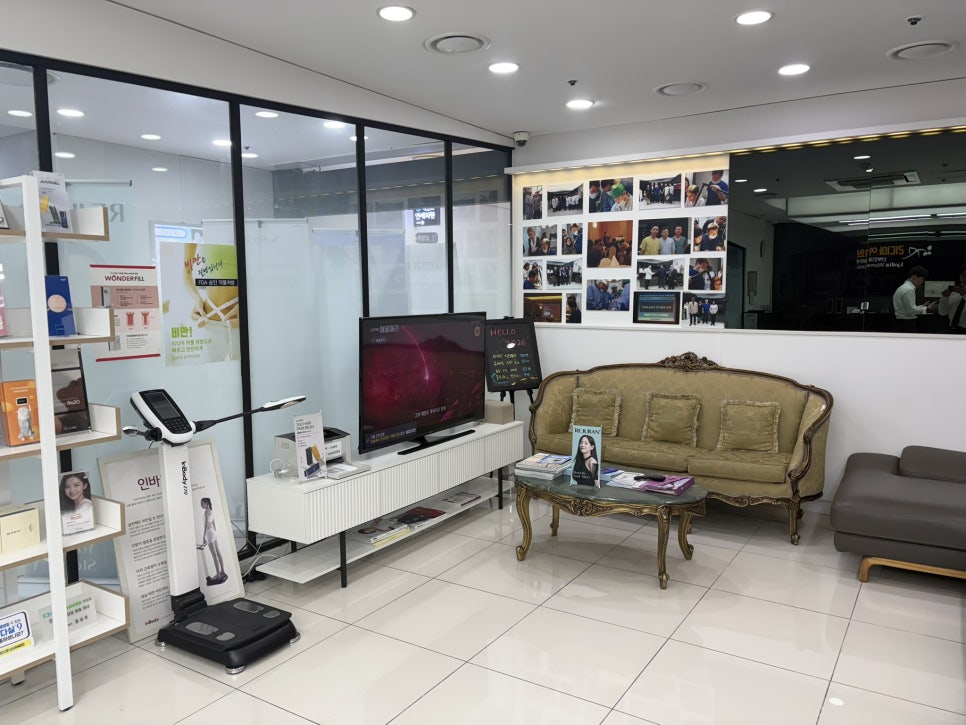
Hello, I am Dr. Hong Seung-ho of Lydia Women's Clinic, an OB-GYN clinic near Gangnam Station.
Vaginal dryness can occur even without menopause.
I imagine you may have hesitated before typing 'vaginal dryness' into a search engine.
Many people arrive here after searching quietly on their own, without being able to talk to anyone about it.
In my practice, I see patients like this regularly, and when they finally bring it up, most of them say, "I thought I was the only one going through this."
The first thing I want you to know is that vaginal dryness is not something to be embarrassed about — it is a medical condition that can be addressed with proper care.
I hope you will not wait too long before listening to what your body is telling you.
"A story from my clinic — a patient in her 30s"
Not long ago, a patient in her late 30s came to see me.
It had been about a year since she gave birth, and she shared that intimacy with her partner had become increasingly difficult, and that even the everyday friction of underwear caused a stinging sensation.
Online searches kept pointing her toward 'menopause symptoms,' but since her periods were still regular, she felt confused and uncertain.
After an examination, we found that hormonal changes from childbirth and breastfeeding, along with thinning of the vaginal mucosa, were occurring together.
This is a situation that can arise even without menopause.
As in her case, vaginal dryness can appear after childbirth, during breastfeeding, during periods of significant stress, or while taking certain medications.
"Why does this happen?"
The mucous membrane inside the vagina is significantly influenced by estrogen, a female sex hormone.
When estrogen levels are sufficient, the mucosa remains thick and moist. When estrogen decreases for any reason, the mucosa becomes thinner and lubrication decreases.
Medically, this is referred to as 'vulvovaginal atrophy' — which simply means that the mucosa has become dry and thin.
The causes vary.
Hormonal changes around menopause are the most common, but childbirth and breastfeeding, ovarian surgery, cancer treatment, certain contraceptives or antidepressants, and autoimmune conditions can also be contributing factors.
Frequent use of vaginal cleansing products, synthetic-fiber underwear, and overly strict hygiene habits can also disrupt the mucosal environment.
Vaginal dryness is not simply something that happens 'with age.'
It can occur in women in their 20s and 30s as well, and identifying the underlying cause is important in determining the appropriate course of care.
"What can happen if left unaddressed?"
Many patients think, "It's a bit uncomfortable, but I can manage."
However, when the mucosa remains thin over time, minor friction can more easily lead to irritation, and bacteria can enter through those areas — commonly leading to recurring vaginitis, cystitis, and a persistent burning sensation.
Another aspect that is easy to overlook is the effect on intimacy and daily quality of life.
Fear of pain can lead to avoidance of intimacy, which in turn creates its own stress — a cycle that can be difficult to break.
This means it is not solely a physical concern.
One of the moments I find most difficult in my practice is meeting patients who have quietly endured all of this on their own for a long time.
"How do I approach diagnosis and treatment?"
Treatment begins with an accurate diagnosis.
Assessing the condition, thickness, and secretion of the mucosa — along with hormone levels — helps clarify the underlying cause.
If the dryness is mild and temporary, moisturizing treatment alone may bring improvement. However, if the mucosa itself has atrophied, treatment aimed at restoring its thickness and elasticity may be needed.
Common approaches include topical hormone therapy, vaginal filler procedures to support mucosal regeneration, and laser treatment to stimulate collagen production in the mucosa.
Because the appropriate combination depends on factors such as age, obstetric history, hormonal status, and any existing conditions, there is no single answer that applies to everyone.
"Here is how I approach each patient visit"
For first-time patients, I begin with sufficient time for a detailed consultation.
I listen carefully to when symptoms started, in what situations they worsen, and relevant history such as childbirth, breastfeeding, or current medications.
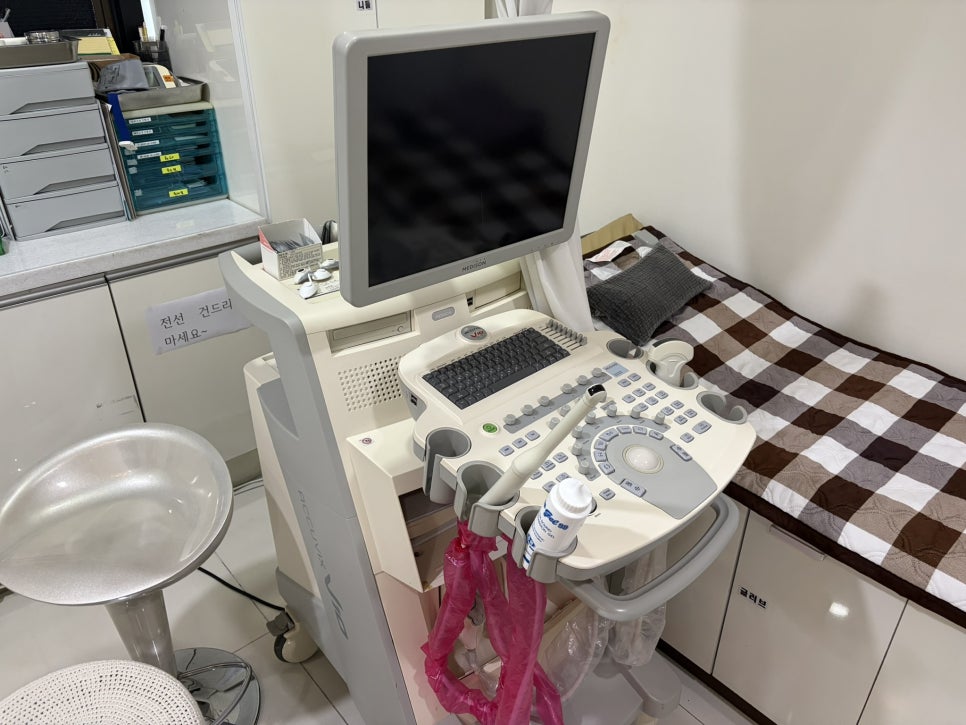
I then assess the pelvis and mucosal condition using detailed ultrasound imaging, and proceed with hormone testing if indicated.
Step 1: Consultation and symptom pattern review
Step 2: Ultrasound examination and mucosal assessment
Step 3: Explanation of a personalized treatment plan based on the identified cause
Step 4: Post-procedure follow-up and lifestyle guidance
When discussing a treatment plan, I distinguish between what is recommended and what is optional.
This is because I believe patients make better decisions when they feel they have been fully informed.
Q. Is the procedure painful?
Most procedures are performed under topical anesthesia, so pain is generally manageable. However, patients with significantly thinned mucosa may notice mild heaviness for the first few days. Routine daily activities are typically possible from the same day.
Q. Can it be resolved in one session?
This depends on the severity of symptoms. Some patients notice a difference after a single session, while those with more advanced mucosal atrophy may benefit from additional sessions at set intervals.
"Things I pay attention to in the clinic environment"
Consultations about gynecological conditions can feel uncomfortable in themselves.
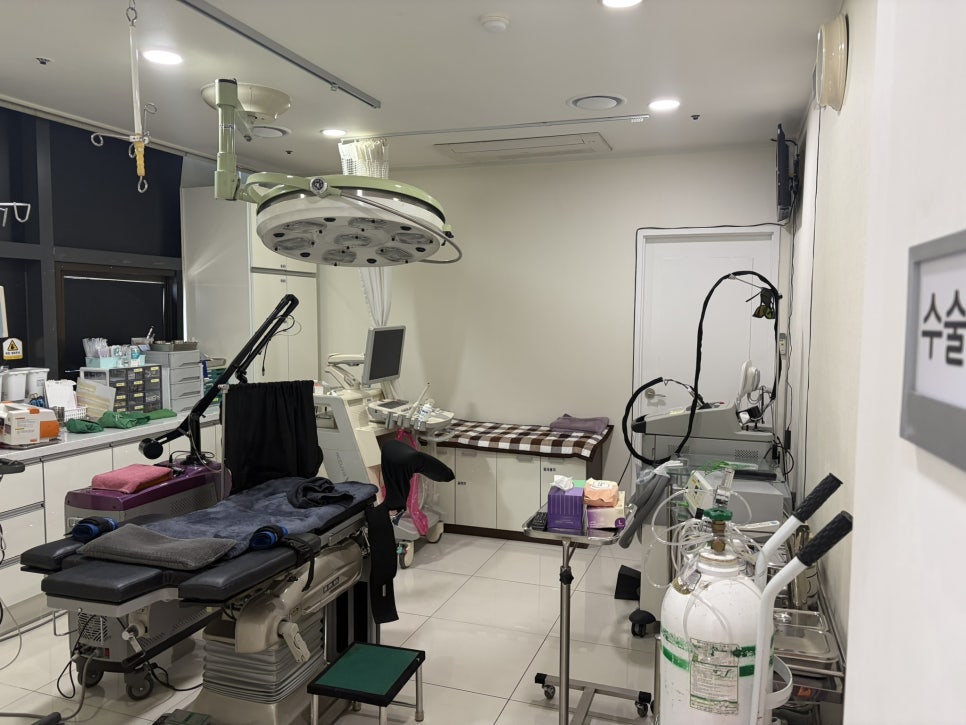
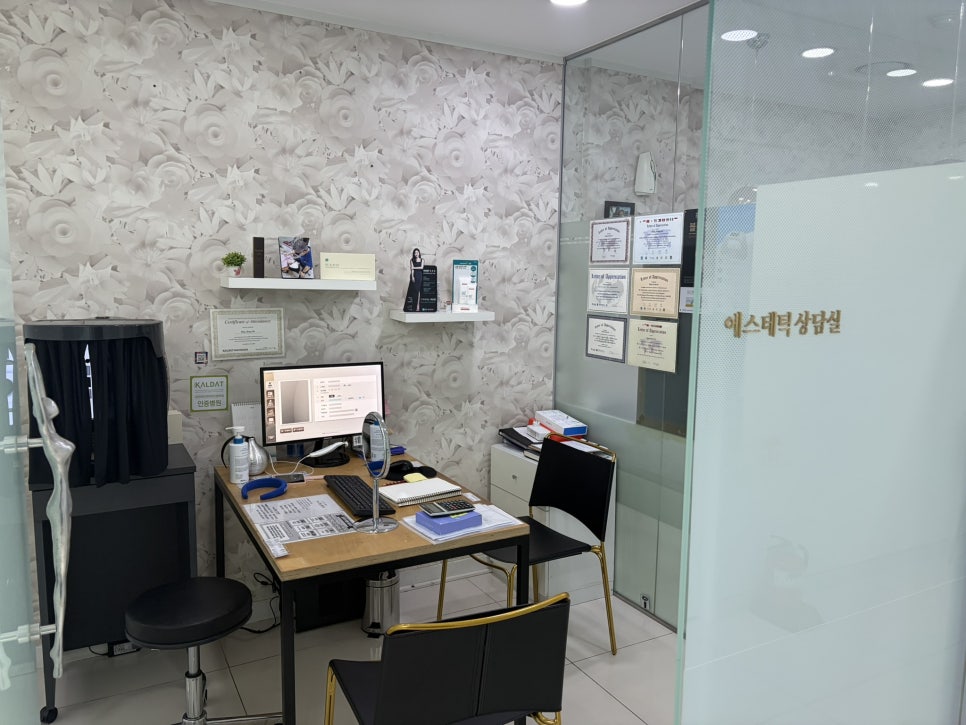
For this reason, I take care to arrange the clinic layout — from the waiting area to the treatment room — so that patient pathways do not overlap, and consultations are conducted in an enclosed, private space with sufficient time.
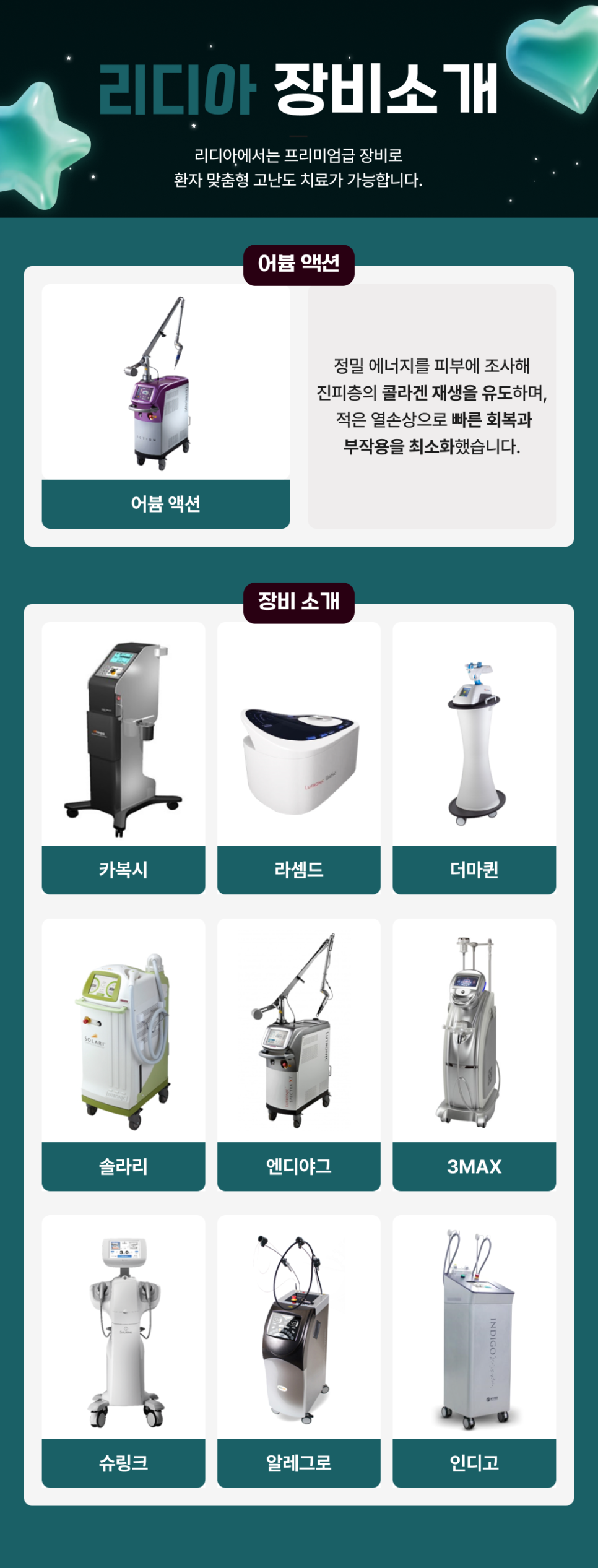
The procedure room is equipped with precision ultrasound and mucosal diagnostic devices, so treatment decisions are made based on visual confirmation.
"Day-to-day care you can practice at home"
Alongside clinic treatment, there are steps you can take in daily life as well.
First, try to minimize the use of internal vaginal cleansing products. Gently rinsing only the external area with lukewarm water is better for maintaining mucosal balance.
Second, wear cotton underwear and avoid tight-fitting pants.
Stay well hydrated, and consider reducing caffeine and alcohol, as they can contribute to further dryness of the mucosa.
If needed, medically approved vaginal moisturizing gels may be used as a supplementary measure — though it is advisable to discuss which product is appropriate during your consultation.
Some patients see improvement through lifestyle adjustments alone, but when mucosal atrophy has progressed, self-care has its limits.
If there is no noticeable change after a month or more, it is worth coming in for a consultation.
"When should you come in?"
I recommend scheduling a consultation if any of the following apply to you:
You experience stinging or a burning sensation during everyday activities; you have recurring pain during intimacy; you have frequent recurrences of vaginitis; or your symptoms began after childbirth or around the time of menopause.
There is no need to hesitate wondering whether your symptoms are 'enough' to warrant a visit.
In fact, coming in early often means that lighter, simpler care is all that is needed.
One of the things I hear most often in my clinic is, "I wish I had come sooner."
Vaginal dryness is a symptom that can be difficult to talk about with anyone — but within the clinic, it is simply a condition that can be addressed with appropriate care.
Rather than continuing to search on your own, please feel free to reach out.
If you have any questions, contact Lydia Women's Clinic.
I will take the time to listen carefully and explain things clearly.







#VaginalDryness #WomensHealth #GangnamStationOBGYN #GangnamOBGYN #VulvovaginalAtrophy #MenopauseSymptoms #GynecologyConsultation